What is Specialty Plasma?
Specialty plasma is plasma donated by individuals with specific medical conditions.
If you have been diagnosed with certain autoimmune or infectious diseases, your plasma may contain antibodies that are valuable for developing diagnostic tools used to identify specific diseases and conditions.
Eligible specialty plasma donors are compensated for their time and participation.
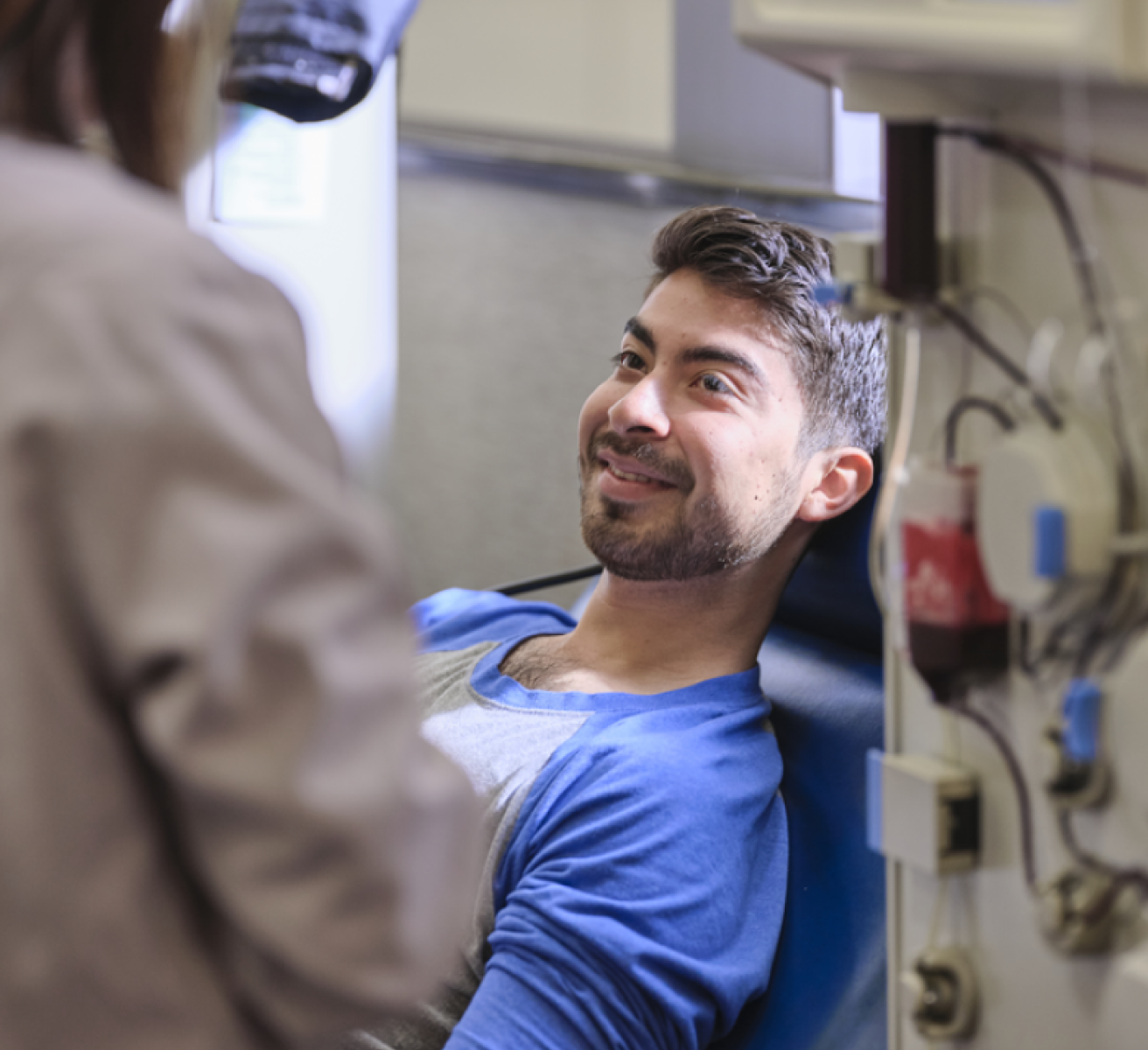
Your Donation Makes a Difference
Specialty plasma donations support the development and evaluation of diagnostic tools, improving how diseases are detected and understood.
By donating, you’re not just giving plasma. You’re helping improve disease detection for patients like you.
Eligibility Requirements
You must be between 18 and 65 years old and meet initial eligibility criteria. This includes having one of the following conditions:
Compensation for Your Donation
Donors receive compensation for their time and participation in the specialty plasma donation program.
Compensation starts at $300 per donation, depending on the qualifying condition and program requirements.
How Compensation Works
Compensation is provided via a prepaid debit card, issued after the first successful donation. Payments are loaded onto the card following each completed donation.
Additional incentives may include:
- Referral bonuses for eligible donor referrals
- Frequency-based bonuses for consistent donations.
Full compensation details are reviewed during the enrollment process.

Specialty Plasma Donation Experience
Your donation journey begins with a one‑on‑one consultation with a donor specialist. After you register your interest, a member of our team will contact you to review your information, confirm eligibility, and explain the next steps.

Here’s what you can expect during each visit
State of the Art Donation Center
All specialty plasma donations take place at our dedicated specialty donation center in Indianapolis and are by scheduled appointment only. The facility is designed to provide a safe, efficient, and comfortable donation experience.
Please note: walk‑in donations are not accepted for specialty plasma.

Ready to Make a Difference?
If you’ve been diagnosed with an autoimmune or infectious condition, fill out the form and our team will get in touch to guide you through the next steps.
You can also reach us directly:
Call us at 760-931-8444 (Mon–Fri 9 am–5 pm)
Email us at specialty.donations@grifols.com
All information collected will be governed by our privacy policy.